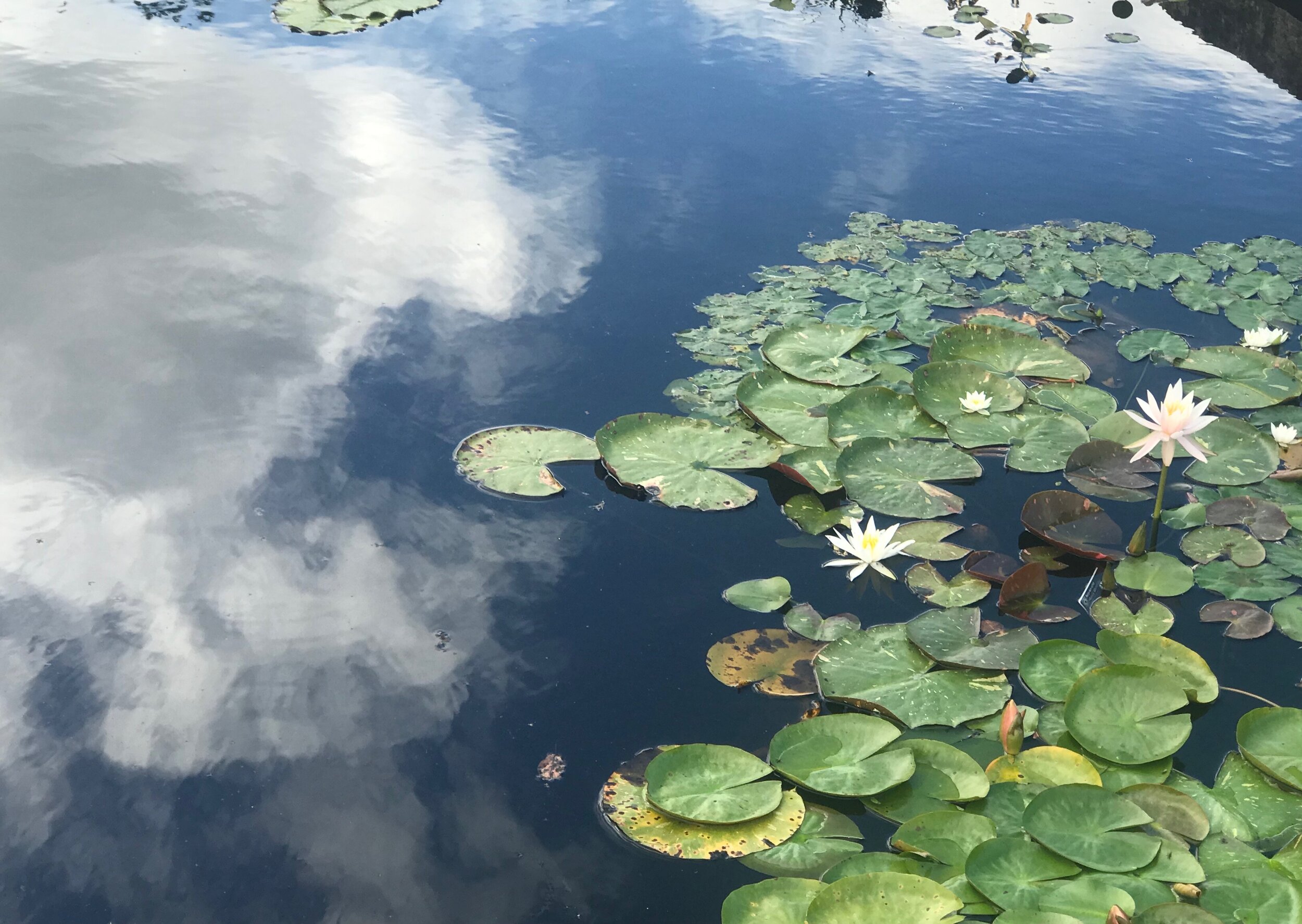
Perimenopause, Menopause, & Beyond
Embrace the Second Spring
Perimenopause and menopause mark a profound and natural transition in a woman’s life, a time of great change and self-discovery. From the perspective of Chinese Medicine, the shifts within the reproductive system are not seen as an ending, but rather as a powerful transformational phase of life.
At the end of this pivotal phase, it is referred to as the the Second Spring, a beautiful metaphor that honors this life transition as a time of potential, wisdom, and new beginnings. It offers an opportunity to connect with your body, to your heart wisdom, inner resilience, and flourishing health.
Yet for many women, arriving in this phase can feel tumultuous and out of rhythm with their bodies. Changes in menstrual cycles, sleep, energy, and emotions can feel unfamiliar, unsettling, or dismissed. For many years, there was little support or understanding. Chinese Medicine does not view these changes as disorders, rather recognizes them as meaningful signals-insights that the body is undergoing profound physiological change and seeking balance.
Acupuncture, herbal medicine, nourishing foods, and lifestyle guidance is focused on gently supporting you through this transition—honoring your unique constitution and natural rhythms.
With the benefits of holistic care, your Second Spring can unfold with greater ease, calm, and renewed vitality.
The many benefits of Acupuncture and Chinese Medicine include:
Balancing all hormones to support irregular cycles, hot flashes, and night sweats
Supporting blood sugar balance and metabolic health
Reducing musculoskeletal aches and discomfort
Regulating the nervous system to improve sleep, digestion, sexual health, and energy
Strengthening bones and supporting overall vitality
Supporting cognitive health, focus, and mental clarity
Cultivating emotional regulation, resilience, and inner calm
Whether you are navigating physical symptoms, seeking emotional balance, or simply longing to feel more at home within your body, the holistic approach of Chinese Medicine offers a pathway back to harmony. This is an invitation to listen to your body, nourish your spirit, and reclaim your energy with intention and grace.
We are honored to walk this path alongside you. Through a personalized and integrative approach, with both ancient wisdom and bio-medical understanding, we support you in welcoming your Second Spring with compassion, intention, and vibrant possibilities for you today, and beyond.
As someone who has entered my own Second Spring, I have come to appreciate the depth and quiet transformation this season of life can bring. Like many women, I have experienced moments of discomfort and reflection as my body, energy, and inner rhythms began to shift. Through the lens of Chinese Medicine, I have come to see this threshold not as a loss or something to resist, but a golden opportunity to deeply reconnect with myself and to cultivate a more embodied presence.
FAQs
-
An excerpt from the Chinese classical text The Yellow Emperor’s Classic of Medicine, written more than two thousand years ago, describes this stage of a woman’s life:
“At seven times seven a woman’s heavenly dew wanes.
The pulse of the Conception channel decreases.
The Qi that once dwelt in the baby’s palace moves upward into her heart,
and her wisdom deepens.”In Chinese Medicine, a woman’s life unfolds in cycles of seven years. As the menstrual cycle gradually comes to completion, this ancient text indicates menopause to occur between the ages of 49 and 56. The “heavenly dew” refers to menstruation, and when the ability for conception ceases and the energy is no longer needed for “baby’s palace” or uterus. During this phase, Qi and Blood gradually shift inward and upward to conserve energy, nourishing the Heart and spirit (Shen) and opening pathways to creativity, and deeper wisdom.
During the transition from perimenopause to menopause, symptoms often reflect subtle shifts in the body’s balance of Yin and Yang, and the Three Treasures, particularly within the Kidneys, Liver, Spleen, and Heart Organ systems.
Rather than viewing these changes as disorders or something to dread, Chinese Medicine recognizes them as signs of a natural transformation and seeking a new state of balance.With early preventative care and self-nourishment through healthy lifestyle, acupuncture, and herbal therapy supports the body’s adaptability to the hormonal changes during this evolving transition.
Just as Spring follows the quiet dormancy of Winter, the “Second Spring” can represent a renewal of vitality in a new and refined form within us.
-
From a Western medical perspective, perimenopause is the transitional phase leading up to menopause. It often begins in a woman’s forties (sometimes earlier) and is characterized by natural hormonal fluctuations—particularly changes in estrogen and progesterone—that can influence menstrual cycles and overall well-being.
Menopause is defined as the time when a woman has gone twelve consecutive months without a menstrual period. It commonly occurs between the ages of 45 and 55 and marks the natural completion of the reproductive years as ovarian function gradually declines.
Common experiences associated with this transition may include:
Irregular or missed menstrual cycles
Hot flashes and night sweats
Mood fluctuations and anxiety
Changes in sleep patterns
Vaginal dryness or discomfort
Changes in libido
Challenges with memory, focus, or concentration
Shifts in metabolism and bone density
Western medicine offers several treatment options, including hormonal therapy, non-hormonal medications, and in some cases surgical interventions. In recent years, nutrition, exercise, and stress management have also become increasingly important part of care.
There is also a growing recognition of the value of integrative and holistic medicine support, particularly for those who prefer non-pharmaceutical approaches or wish to complement their existing treatment.